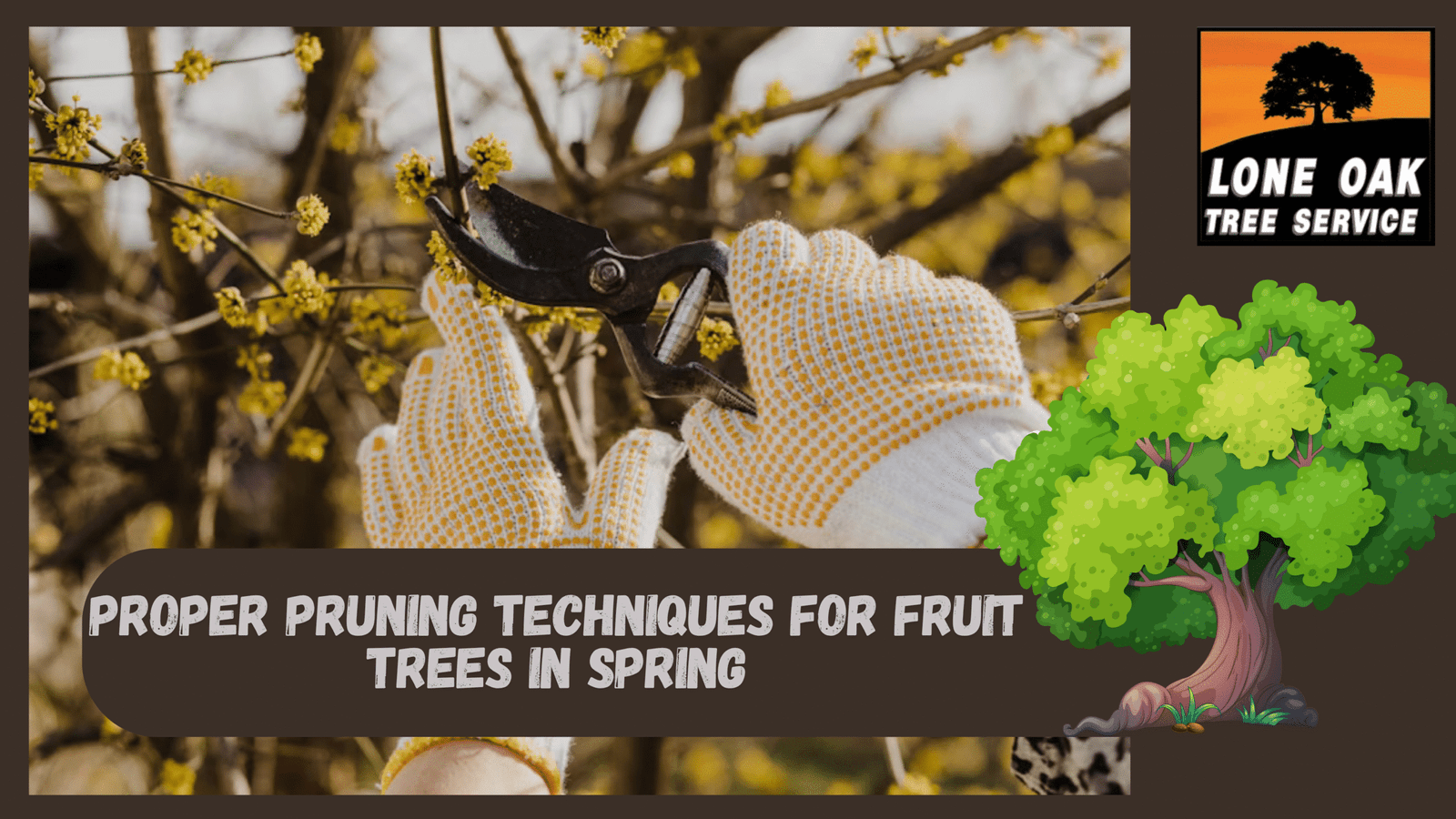
Spring is a critical time for fruit tree care, and one of the most important tasks during this season is pruning. Proper pruning improves tree structure, enhances fruit quality, increases yield, and helps prevent diseases. When done correctly, spring pruning sets the foundation for a healthy and productive growing season.
Whether you’re tending to apple, peach, plum, cherry, or pear trees, understanding the right pruning techniques will help you maximize your harvest and keep your trees thriving. In this guide, we’ll cover the best spring pruning tips for fruit trees, common mistakes to avoid, and tools you’ll need for success.
Why Prune Fruit Trees in Spring?
While some pruning can be done in late winter, early spring, just before buds fully open, is often ideal for shaping and stimulating growth. Here’s why:
- Improves sunlight penetration
- Encourages air circulation, reducing the risk of fungal diseases
- Promotes better fruit development
- Helps remove dead, damaged, or diseased wood
- Shapes the tree for a stronger branch structure and easier harvesting
Pruning in spring also allows you to see winter damage more clearly and to remove branches before the tree expends energy on them.
Best Time for Spring Pruning
The best time to prune most fruit trees is late winter to early spring, ideally:
- After the coldest part of winter has passed
- Before or during bud swell, but before full blooming
- On a dry day, to prevent disease spread
In most regions, this means late February to early April. Always check local climate conditions to adjust timing accordingly.
Essential Tools for Pruning
Before you start pruning, gather the right tools:
- Bypass pruners for small branches (up to ¾ inch)
- Loppers for medium branches (¾ to 2 inches)
- Pruning saw for thick branches
- Gloves and safety glasses
- Rubbing alcohol or bleach solution to disinfect tools between cuts
Clean tools reduce the risk of transferring diseases between trees.
Step-by-Step Pruning Techniques
1. Start with Dead, Diseased, or Damaged Wood (The 3 D’s)
Remove branches that are:
- Broken or split
- Infected with fungi or showing cankers
- Dried out or brittle
These weaken the tree and invite pests and disease.
2. Thin the Canopy
Remove crowded branches to allow more sunlight and airflow to penetrate the tree’s interior.
- Cut out crossing branches that rub against each other
- Remove suckers (shoots at the base of the tree) and water sprouts (vigorous, upright shoots on the trunk or branches)
- Focus on opening up the center of the tree if using an open-center pruning style (common for stone fruits like peaches and plums)
3. Shape the Tree
Maintain a balanced, strong structure based on the tree type:
- Central leader system: One main trunk with tiers of horizontal branches (apples and pears)
- Open center system: Vase-like shape with 3–5 main limbs and an open middle (peaches, plums, apricots)
Cut just above a bud that’s facing outward to encourage outward growth, not inward.
4. Shorten Long Branches
Cut back long, unproductive branches by about one-third to:
- Encourage stronger branching
- Prevent limbs from breaking under fruit weight
- Keep the tree compact for easier maintenance
Use angled cuts about ¼ inch above a healthy bud.
Common Pruning Mistakes to Avoid
- Over-pruning: Removing too much foliage can shock the tree and reduce fruiting
- Flat or stub cuts: Always cut at a 45° angle near a bud or branch collar
- Ignoring tool hygiene: Dirty tools can spread pathogens
- Topping: Never cut the top of a fruit tree flat, as this causes weak, erratic growth
- Pruning too late in spring: Once leaves and flowers have emerged, pruning can damage tender growth
Tree-Specific Tips
- Apple and Pear Trees: Respond well to a central leader system; thin interior branches for airflow
- Peach Trees: Require aggressive annual pruning for fruit size and quality
- Cherry Trees: Prune lightly to reduce the risk of bacterial canker
- Plum Trees: Use the open center method and thin out new shoots
- Citrus Trees (in warmer zones): Light pruning only, mostly for shaping or removing damaged branches
Aftercare and Maintenance
- Clean up pruned branches to prevent pests and disease
- Apply compost or mulch around the base of the tree to retain moisture and suppress weeds
- Inspect regularly for signs of regrowth, pests, or disease
- If needed, apply dormant oil spray after pruning to protect against overwintering insects
Final Thoughts
Proper spring pruning can dramatically improve the health, structure, and productivity of your fruit trees. With the right tools, timing, and techniques, you can encourage strong growth, better fruit, and a longer lifespan for your trees.
Take the time to understand each tree’s needs, avoid common mistakes, and make pruning part of your annual spring gardening routine. Your fruit trees and your harvest will thank you. Contact us today to know more and to get amazing services.