Healthy trees can add shade, beauty, privacy, and character to Central Valley homes. But keeping mature trees healthy requires more than occasional trimming. Soil conditions, drainage, pests, disease, sunlight, and competition from nearby vegetation can all affect a tree over time.
That is why a long-term tree health plan should begin with understanding the condition of the trees and the environment around them. Lone Oak Tree Service provides professional tree health assessments throughout the Central Valley, evaluating everything from the root zone to the canopy and identifying signs of stress, disease, pests, and structural problems.
Why Central Valley Homes Need Ongoing Tree Care
A tree can appear healthy from a distance while developing problems that are not immediately obvious.
Leaf discoloration, premature leaf drop, cracks in the trunk, weakened branches, or changes in canopy growth may indicate underlying stress. By the time some symptoms become obvious, the tree may already need significant attention.
Professional assessments can help homeowners identify these issues earlier.
Lone Oak Tree Service examines trees for pests, fungal infections, structural concerns, and environmental stressors. Its assessment process also considers factors surrounding the tree rather than looking only at the visible canopy.
This broader evaluation is important because tree health is influenced by the conditions in which a tree grows.
What a Long-Term Tree Health Plan Should Include
A tree health plan should not simply say, “trim this tree.”
Instead, it should help homeowners understand what their trees need now and what may need attention in the future.
Initial Tree Health Assessment
The first step is determining the current condition of the tree.
A professional assessment can examine the roots, trunk, branches, and canopy while looking for visible and less obvious problems.
This gives homeowners a starting point for deciding whether a tree needs treatment, pruning, monitoring, or potentially removal.
Environmental Evaluation
Trees are affected by their surroundings.
Lone Oak Tree Service considers factors such as soil quality, drainage, sunlight, and competition from surrounding vegetation during its assessments.
For homeowners, this means a tree problem should not automatically be viewed as a problem with the tree alone.
The surrounding landscape may also need attention.
Targeted Maintenance
Once the condition of the tree is understood, the next step is choosing appropriate care.
Depending on the assessment, recommendations may include soil amendments, targeted pruning, or pest management.
The goal is to address the actual problem instead of performing unnecessary work.
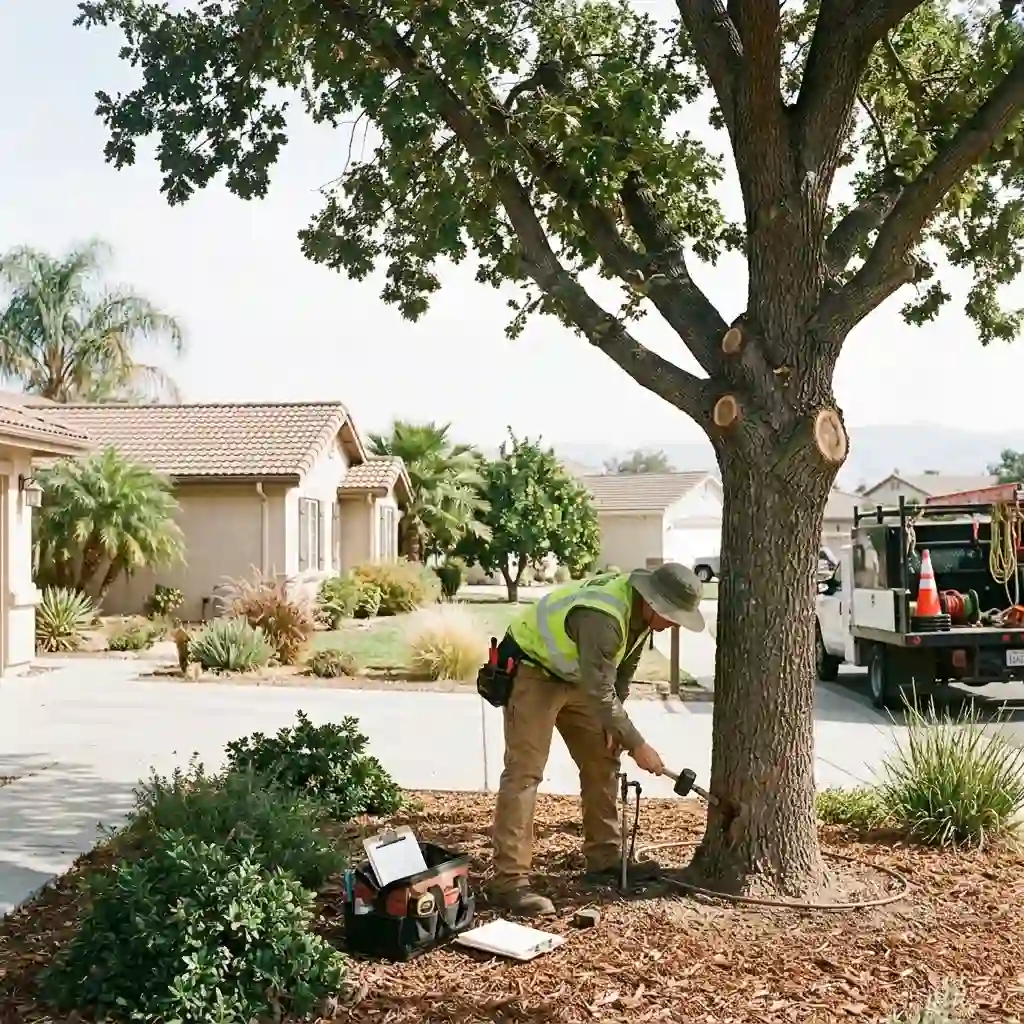
Early Detection Can Protect More Than One Tree
One unhealthy tree can sometimes create concerns for surrounding vegetation.
If a tree is affected by pests or disease, identifying the problem early can help homeowners determine whether nearby trees also require attention.
Structural problems can also present a property concern. A weakened branch or compromised tree may eventually affect a roof, driveway, fence, or other nearby structure.
Lone Oak Tree Service explains that early diagnosis can sometimes help save a struggling tree while also helping prevent damage to nearby trees or structures.
This makes professional assessment particularly valuable on properties with multiple mature trees.
A Central Valley Homeowner’s Tree Care Story
Imagine a homeowner in the Central Valley who notices that one mature tree is losing leaves earlier than the trees around it.
At first, the homeowner assumes the issue is seasonal.
Over time, however, the discoloration becomes more noticeable. Some branches also appear thinner than they were previously.
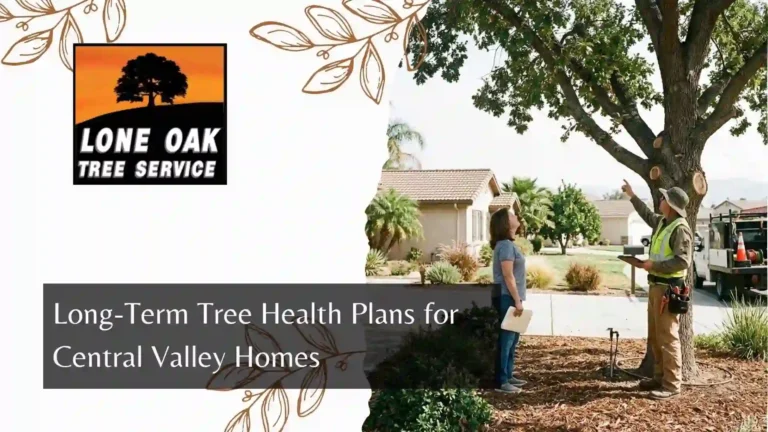
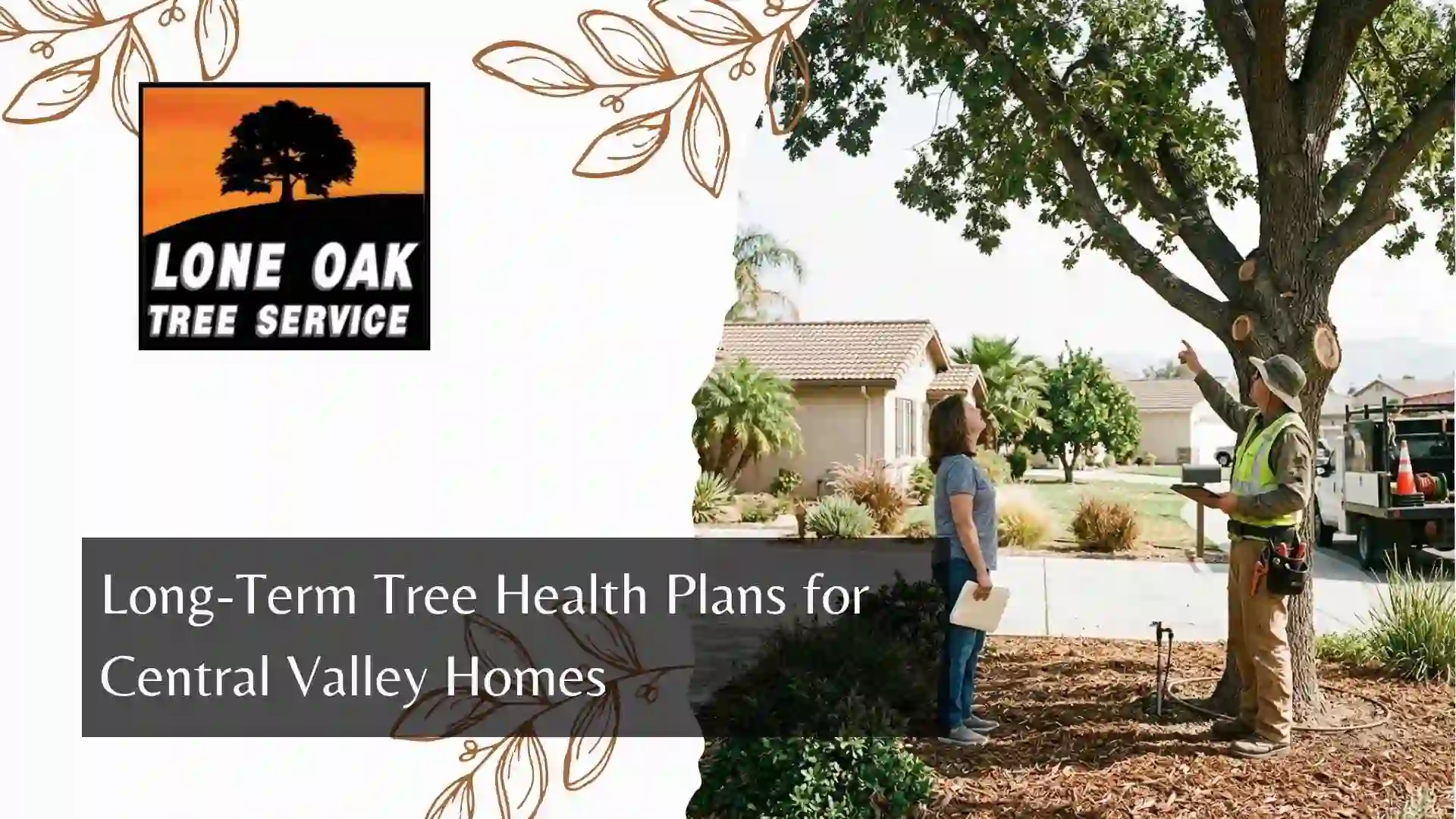
Instead of immediately removing the tree, the homeowner schedules a professional health assessment.
The arborist examines the canopy, trunk, root zone, and surrounding environment. The assessment identifies potential stress factors and provides recommendations based on the tree’s condition.
Rather than automatically replacing the tree, the homeowner now has a clearer path forward.
Targeted care can be provided where appropriate, while the tree can be monitored for future changes.
This is the value of a long-term approach: homeowners make decisions based on the actual condition of their landscape instead of waiting for a serious problem to develop.
Signs Your Trees May Need an Assessment
Homeowners should consider professional evaluation when they notice changes that do not seem normal.
Some common warning signs include:
- Discolored leaves
- Leaves dropping earlier than expected
- Cracks in the trunk
- Dead or declining branches
- Unusual canopy thinning
- Signs of pests
- Fungal growth
- Changes in tree structure
- Trees struggling despite normal care
- Concerns about a tree growing close to a structure
Not every symptom means a tree must be removed. A professional assessment can help determine what is actually happening.
Lone Oak Tree Service specifically emphasizes that its goal is to preserve trees whenever practical and provide recommendations based on long-term landscape health rather than pushing unnecessary work.
Tree Health Is More Than Pruning
Pruning is an important part of tree maintenance, but it is not a solution for every tree problem.
A tree with poor soil conditions may need environmental improvements. A tree affected by pests may require appropriate management. A structurally compromised tree may need a different recommendation altogether.
This is why homeowners benefit from having the tree evaluated before deciding what work should be performed.
Professional assessment can help separate routine maintenance from problems requiring more specialized attention.
[Image Placement 3: Healthy tree canopy after professional assessment and care]
Alt text: Healthy mature tree canopy maintained through professional Central Valley tree care
Building a Year-Round Tree Health Routine
A long-term tree health plan does not have to be complicated.
Step 1: Know Your Trees
Understand which trees are mature, which are newly planted, and which are located close to buildings, driveways, fences, or utility areas.
Step 2: Watch for Changes
Pay attention to unusual leaf loss, discoloration, damaged branches, trunk cracks, and other visible changes.
Step 3: Schedule Professional Assessments
A professional assessment can provide a more complete picture of tree health than a visual check from the ground.
Step 4: Follow Recommended Care
If the assessment identifies a need for pruning, soil amendments, pest management, or other treatment, address the recommendation appropriately.
Step 5: Reassess When Conditions Change
Trees continue to grow and environmental conditions change. A tree that looks healthy today may need attention later.
This ongoing approach can help homeowners stay ahead of potential problems.
Why Professional Tree Health Assessments Matter
Tree health can be difficult to evaluate without specialized knowledge.
A homeowner may notice that leaves are changing color but cannot easily determine whether the cause is disease, pests, environmental stress, soil conditions, or another factor.
Professional assessment provides a more comprehensive evaluation.
Lone Oak Tree Service’s trained professionals examine trees from the root zone through the canopy and consider both tree condition and environmental factors. The company provides services throughout communities including Oakdale, Modesto, Escalon, Riverbank, Ripon, Salida, Ceres, Turlock, Manteca, Waterford, Hughson, and other Central Valley locations.
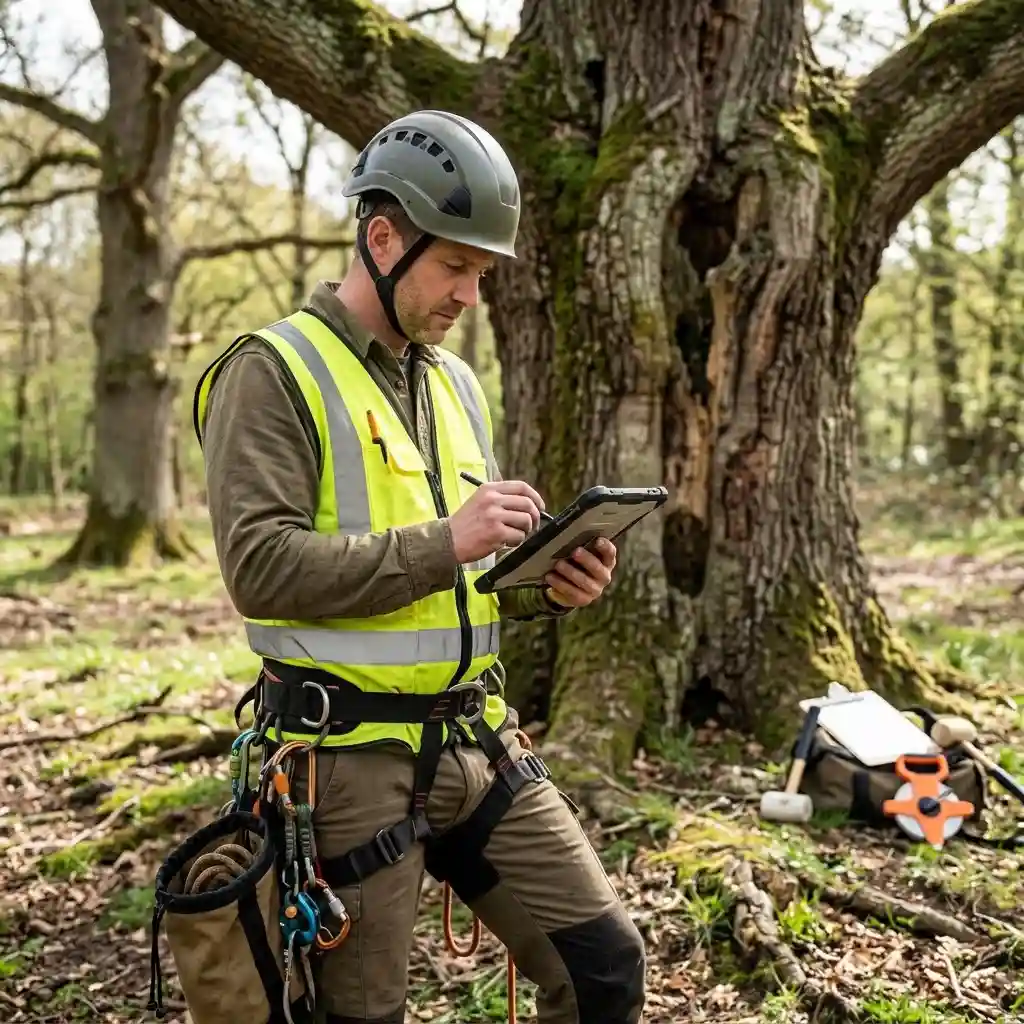
When Treatment Is Better Than Removal
Homeowners sometimes assume that a struggling tree automatically needs to come down.
That is not always the case.
Depending on the cause and severity of the problem, a tree may be able to recover with proper care. Lone Oak Tree Service notes that some struggling trees can be restored through measures such as soil amendments, targeted pruning, or pest management.
The important step is getting an accurate assessment first.
If a tree cannot be safely preserved, professional evaluation can also help determine when removal is the more appropriate option.
The goal is to protect both the tree and the property.
Create a Long-Term Tree Health Plan With Lone Oak Tree Service
The best time to think about tree health is before a minor concern becomes a major property problem.
For Central Valley homeowners, professional tree health assessments provide a practical starting point for understanding the condition of mature trees and planning appropriate care. Lone Oak Tree Service evaluates trees for disease, pests, structural problems, and environmental stress while providing practical recommendations based on the property’s needs.
Whether you are concerned about one declining tree or want a better maintenance strategy for an entire property, a professional assessment can give you a clearer path forward.
Call Lone Oak Tree Service at 209-247-6609 to schedule a tree health assessment or request a free estimate.
Frequently Asked Questions
What does a tree health assessment include?
A professional assessment examines the tree from the root zone to the canopy and looks for signs of pests, fungal infections, structural problems, disease, and environmental stress.
What are early signs of an unhealthy tree?
Leaf discoloration, early leaf drop, trunk cracks, declining branches, and changes in canopy condition can indicate that a tree needs professional evaluation.
Can a sick tree be saved?
Sometimes. The appropriate solution depends on the cause and severity of the problem. Potential care may include soil amendments, targeted pruning, or pest management.
How often should I have my trees assessed?
There is no universal schedule for every tree. Tree age, species, condition, location, and environmental factors can influence assessment needs. A professional can recommend an appropriate monitoring plan.
Does Lone Oak Tree Service serve the Central Valley?
Yes. Lone Oak Tree Service lists numerous Central Valley communities in its service area, including Oakdale, Modesto, Turlock, Manteca, Riverbank, Ripon, Ceres, and others.