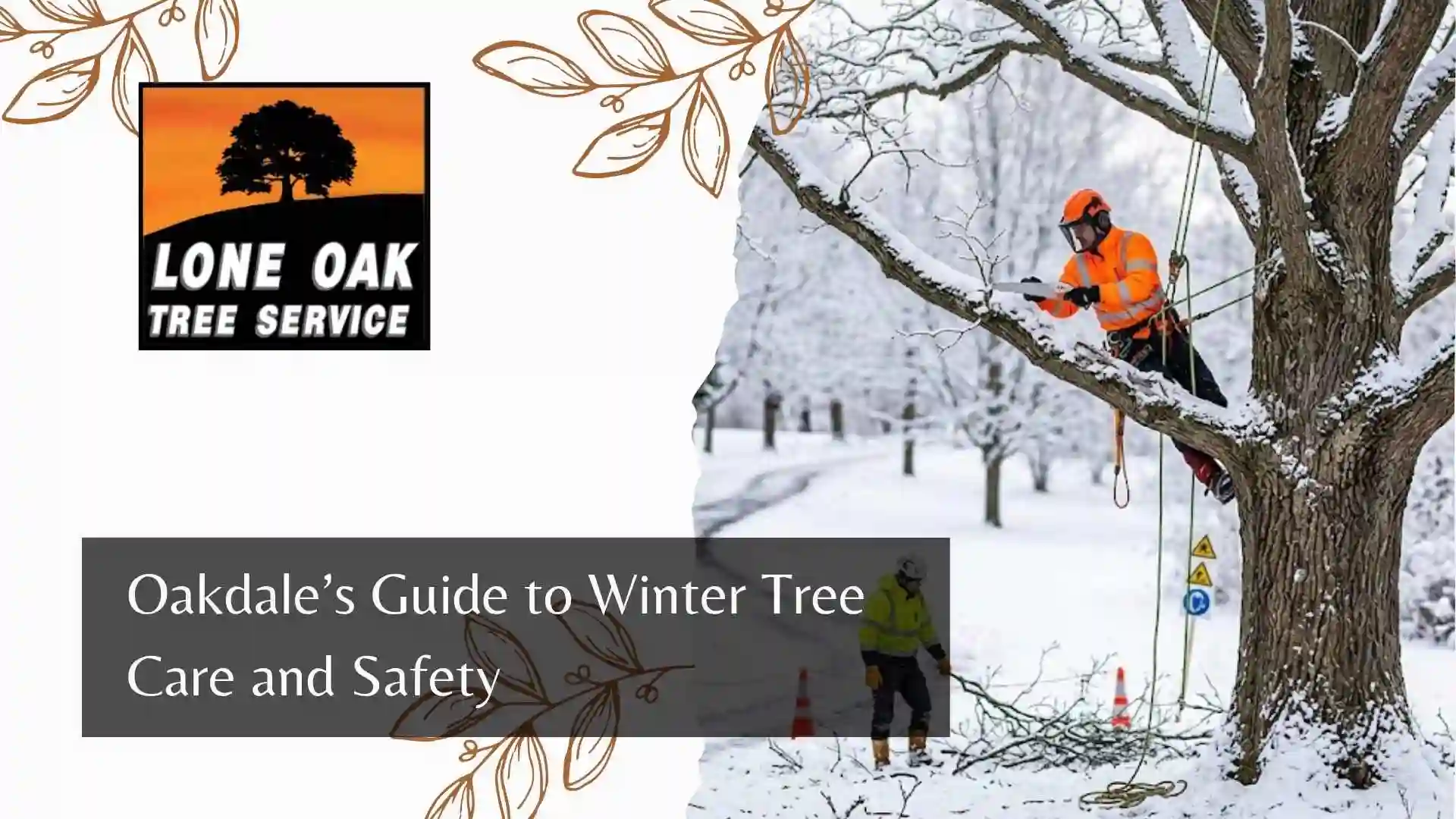
Winter in Oakdale may not bring extreme snowstorms, but cooler temperatures, seasonal moisture shifts, dense fog, and occasional winter wind events can create hidden risks for residential and commercial trees. Many property owners assume trees become inactive during colder months and require less attention. In reality, winter is one of the most important times to evaluate tree health and reduce safety hazards before damage occurs.
Professional tree care in Oakdale helps identify structural weaknesses, disease symptoms, and storm vulnerabilities before they become expensive emergencies. Through expert tree health assessments, property owners can protect landscapes, improve long-term tree health, and reduce liability.
Why Winter Tree Care Matters in Oakdale
Oakdale’s seasonal climate creates unique conditions for tree stress. Trees experience slower growth during winter, making hidden problems easier to detect. Without dense foliage blocking visibility, professionals can inspect branch structure, trunk stability, and early signs of disease.
Winter weather introduces several concerns:
- Saturated soil reducing root stability
- Wind stress on weakened limbs
- Increased branch failure risk
- Hidden decay becoming more visible
- Greater property damage potential during storms
Trees that appear healthy in summer can reveal structural issues once winter arrives.
Professional assessments allow property owners to act before a fallen limb damages roofing, vehicles, fencing, or neighboring property.
Common Winter Tree Risks for Oakdale Properties
Weak Branch Structures
Heavy limbs can become hazardous during seasonal weather changes. Cracks, poor attachment points, and previous storm damage often worsen in winter.
Hidden Disease and Decay
Many internal issues remain invisible until trees become stressed. Winter inspections expose signs of decay that may otherwise go unnoticed.
Root System Problems
Cooler temperatures combined with moisture changes can impact underground stability. Surface symptoms often indicate deeper structural concerns.
Tree-to-Structure Conflicts
Branches hanging over driveways, roofs, or utility access points create additional winter hazards.
Professional tree evaluations identify these risks early and determine whether pruning, treatment, or removal is necessary.
The Value of Professional Tree Health Assessments
Tree health assessments go beyond visual observation.
Professional evaluation methods often include:
- Structural integrity analysis
- Branch load evaluation
- Root zone inspection
- Disease identification
- Growth pattern review
- Safety risk assessment
- Long-term maintenance planning
A complete assessment creates a strategic care plan instead of relying on reactive emergency services.
Experienced professionals understand how environmental factors affect local tree species and can recommend solutions that preserve tree health while improving safety.
Job Story: Preventing Winter Property Damage in Oakdale
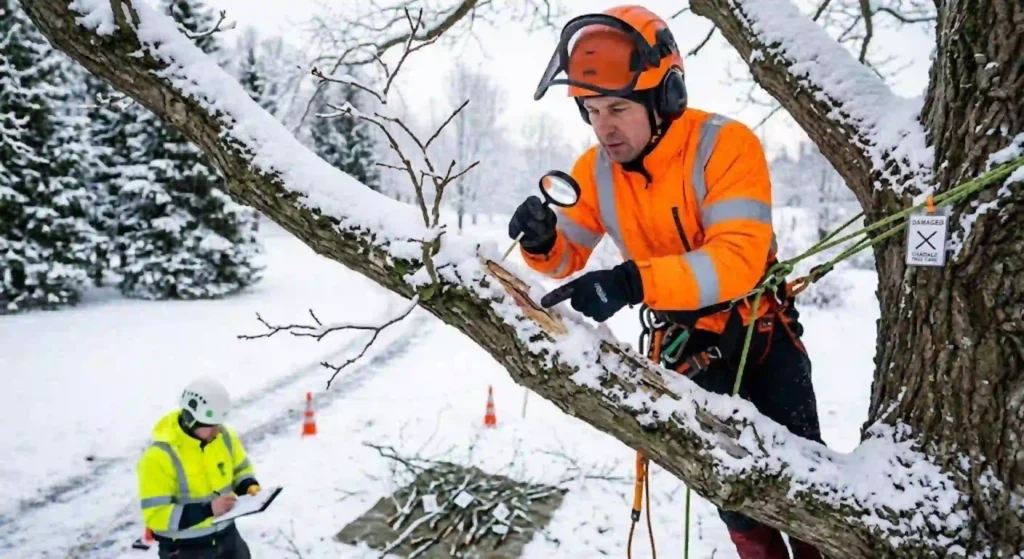
A homeowner in Oakdale noticed that several large trees near the back of their property appeared uneven after seasonal winds. From ground level, everything looked normal except for a few dead branches.
Concerned about possible winter storms, they scheduled a professional tree health assessment.
During inspection, specialists discovered internal decay developing inside one of the larger limbs. The branch showed minimal exterior signs but had significant structural weakness.
The assessment also identified root stress caused by seasonal moisture retention.
Rather than waiting for failure, the service team created a proactive care plan that included selective pruning, health monitoring, and structural recommendations.
Weeks later, after strong seasonal winds moved through the area, the trees remained stable and no emergency damage occurred.
Early assessment prevented costly repairs and preserved the surrounding landscape.
Why Winter Tree Work Should Never Become a DIY Project
Tree care often appears straightforward until hidden risks become dangerous.
Winter conditions increase the difficulty of evaluating structural problems because damage is not always visible from ground level.
Professional tree specialists use industry knowledge and specialized equipment to evaluate:
Internal Structural Integrity
Tree professionals understand load distribution and can detect hidden weaknesses before failure occurs.
Safe Access Methods
Working around elevated branches requires proper climbing techniques, equipment, and risk management.
Correct Pruning Practices
Improper cuts can create disease entry points and weaken future growth.
Long-Term Tree Preservation
Removing too much growth or cutting incorrectly may shorten tree lifespan and increase future maintenance costs.
Professional assessments prioritize both safety and tree longevity.
How Tree Health Assessments Support Long-Term Property Value
Healthy trees contribute significantly to curb appeal and property appearance.
Regular winter evaluations provide benefits that extend beyond immediate safety:
- Reduced emergency repair costs
- Improved tree lifespan
- Better seasonal growth
- Lower storm damage risk
- Enhanced landscape appearance
- Greater homeowner confidence
Preventive care is typically more affordable than emergency tree services after major damage occurs.
Signs Your Oakdale Trees Need Immediate Attention
Property owners should consider scheduling an assessment if they notice:
Dead or Falling Branches
Repeated branch drop may indicate structural decline.
Visible Cracks
Splits along limbs or trunks require immediate evaluation.
Leaning Trees
Changes in tree angle may signal root instability.
Fungal Growth
Mushrooms near roots or trunk bases often indicate decay.
Sparse Seasonal Growth
Reduced canopy density can reflect health concerns.
Addressing these warning signs early reduces safety risks and supports healthier landscapes.
Best Time to Schedule Winter Tree Care in Oakdale
Waiting until after a storm limits available options.
Early winter and mid-season inspections provide the greatest opportunity to:
- Identify hidden risks
- Schedule maintenance efficiently
- Improve seasonal resilience
- Prevent emergency situations
Routine assessments create a proactive maintenance strategy rather than responding to damage after it happens.
Protect Your Oakdale Property This Winter
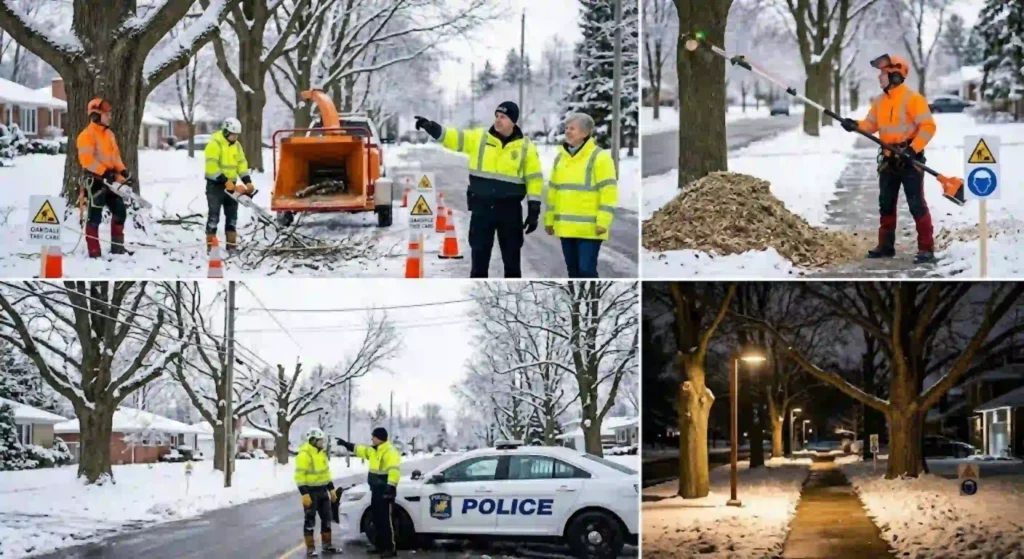
Winter tree care is not only about appearance, it is about protecting homes, preserving valuable trees, and reducing avoidable hazards.
Professional tree health assessments provide expert evaluation, practical recommendations, and safer outcomes for Oakdale properties.
Call to Action
If your trees have not been inspected recently, now is the time to act. Call today, schedule an assessment, or request a quote to prepare your landscape for winter conditions before problems become emergencies.


